
Tea
Whisking
Matcha

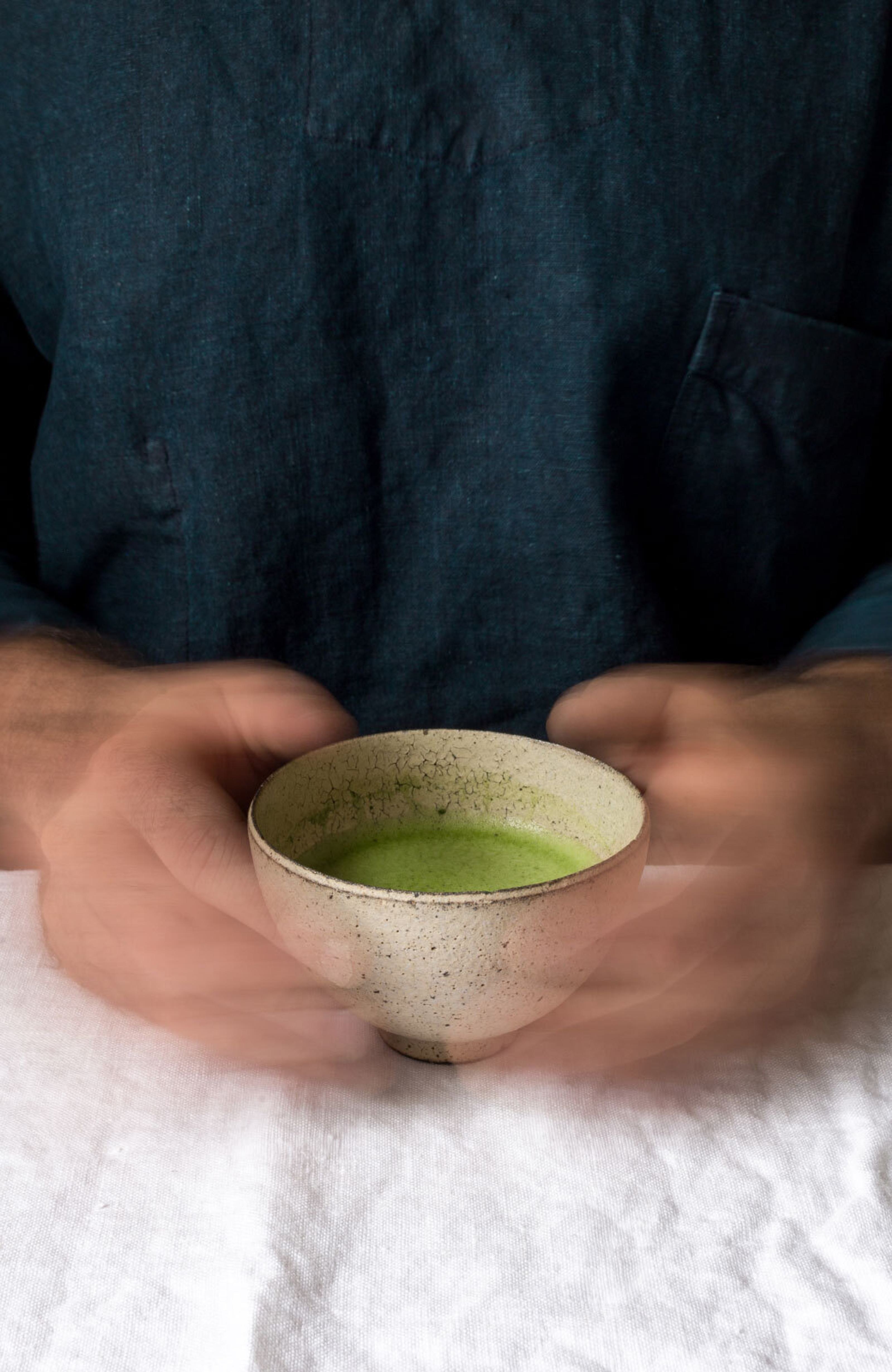
Whisking matcha helps to create a thick froth or crema at the top of the tea. Not only is this prized for its aesthetics when drinking matcha, but the aerated bubbles that compose the froth allow more fragrance and flavor to escape into your mouth and nose as you bring the drink to your lips. It’s both necessary for tasting and enjoying the matcha.
The whisked matcha is most often the central point of a Japanese tea ceremony. There are complexities and rules surrounding these ceremonies that have developed into multiple schools and methods over centuries. Each school has certain guidelines and rules that dictate every minutiæ of the ritual. I will not cover those topics, as I hardly grasp a handful of it; instead, I will focus on five key points of enjoying matcha at home.
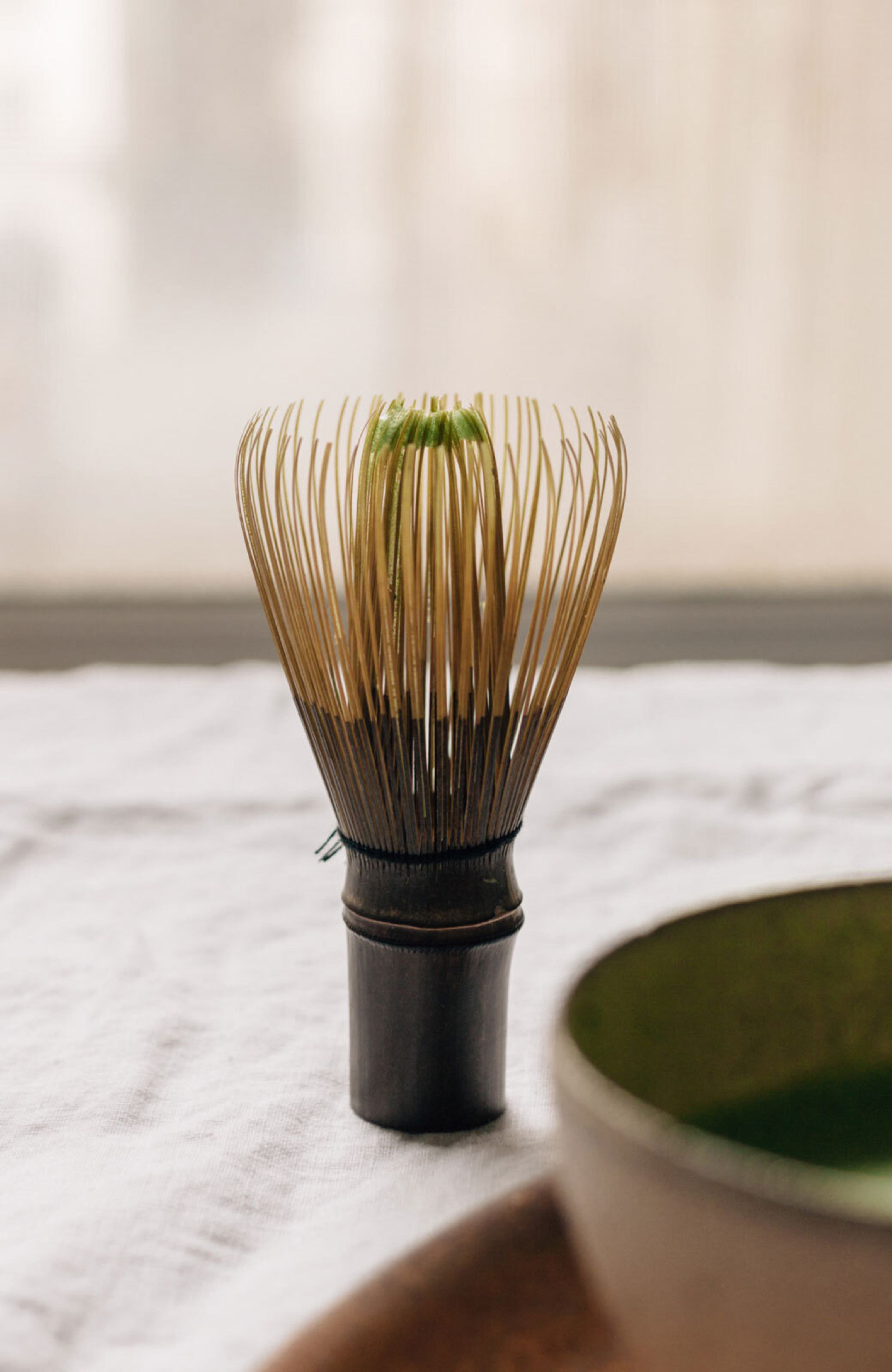
Whisks (chasen) aerate the mixture to create the froth. Generally speaking, the more tines the better. Look for whisks that advertise 100 or more tines (or fronds). A standard chasen usually has around eighty.
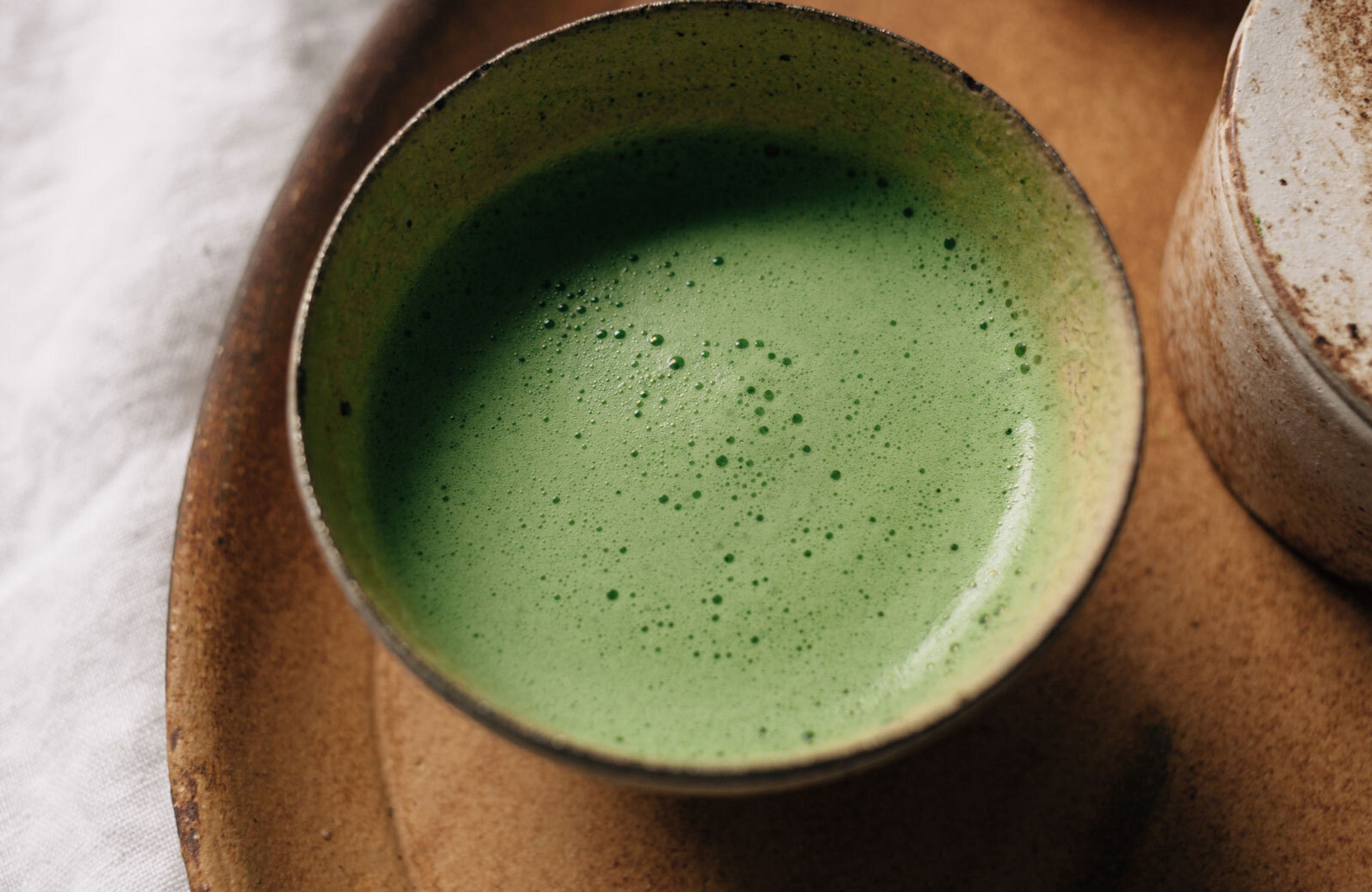
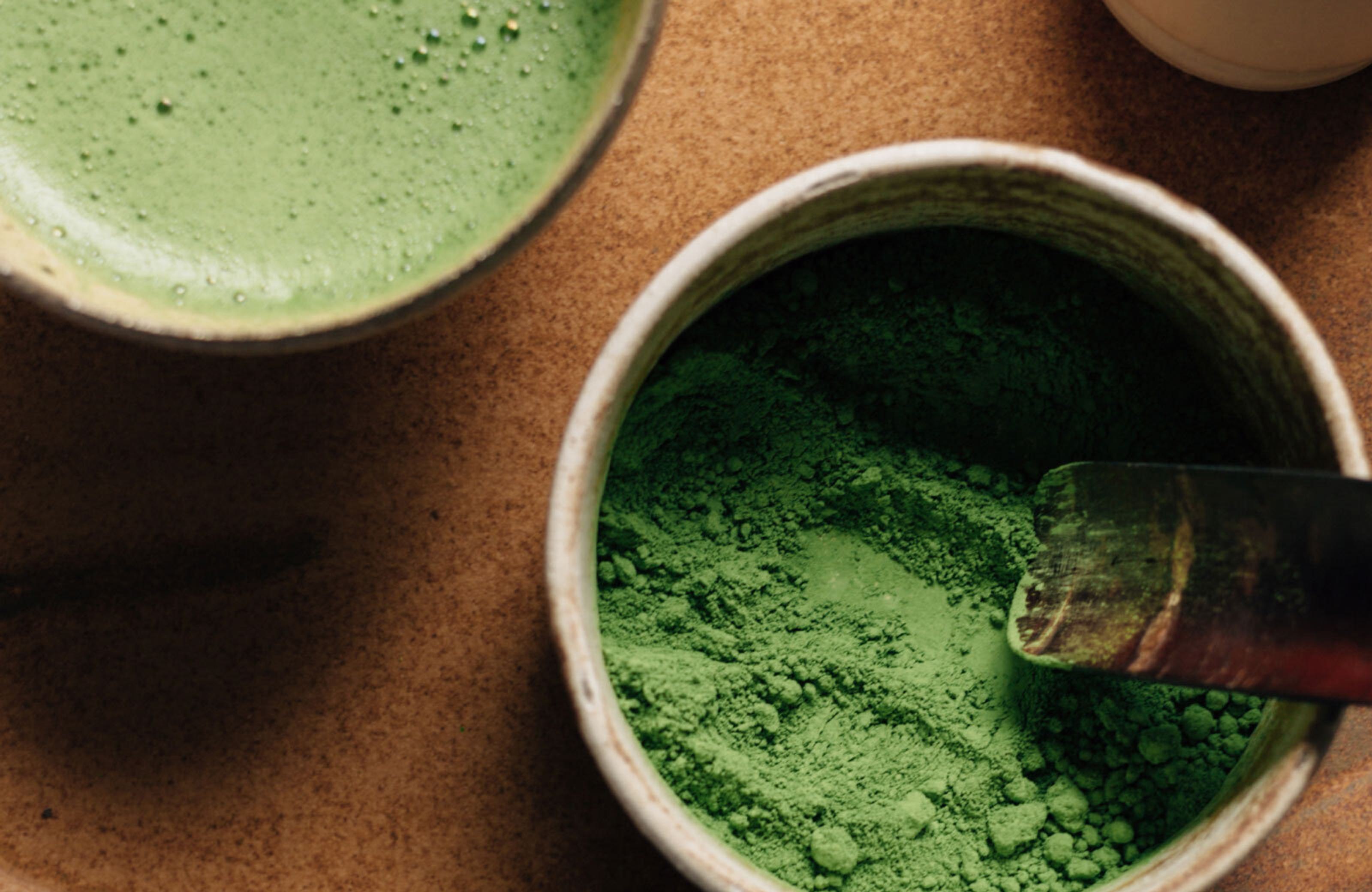
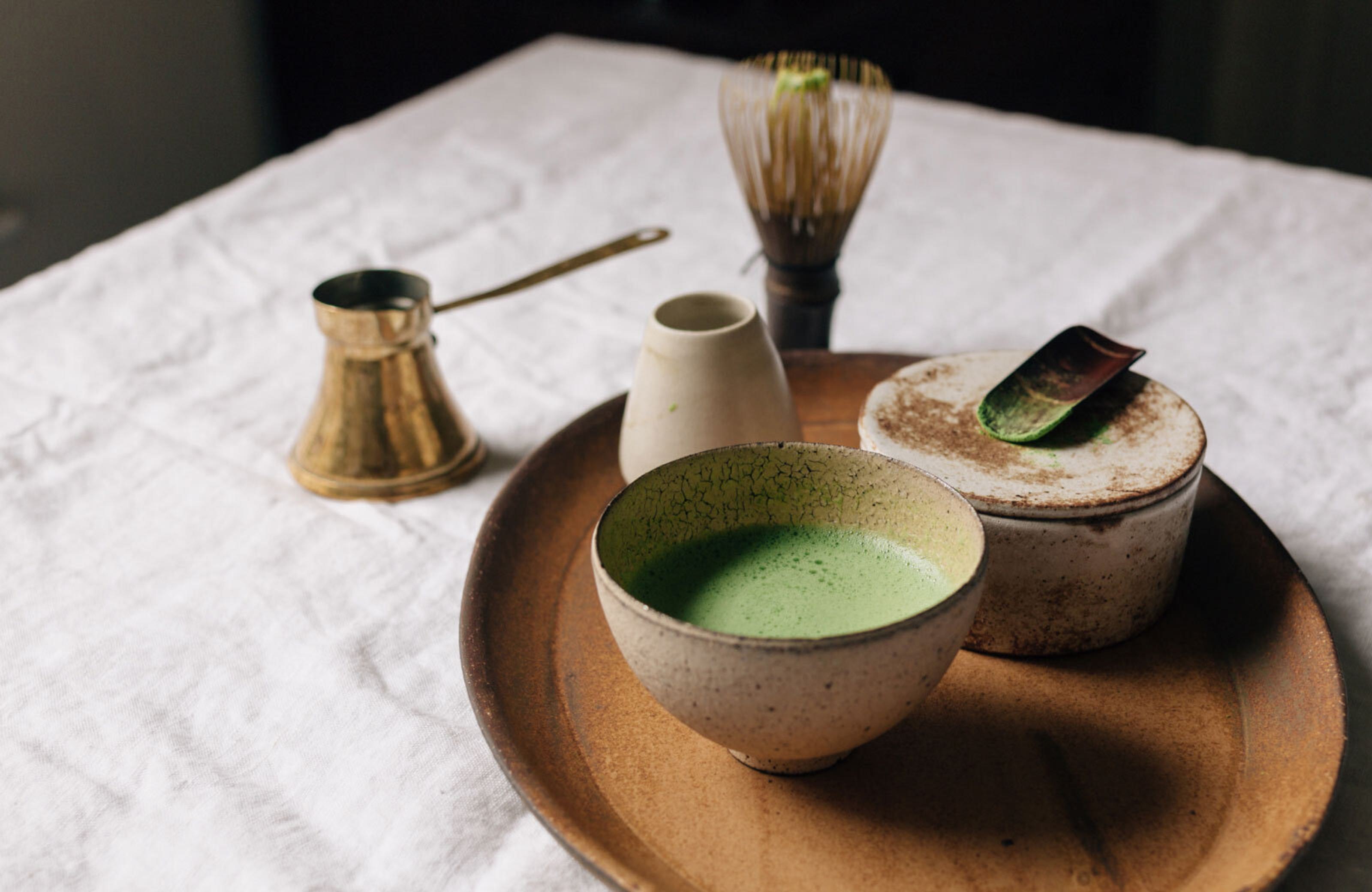
Good matcha is always a bright, saturated green when freshest. Sometimes it is a forest green or sometimes it is a grassy green. Either way, the color is rich, strong, and vibrant. It is even sometimes neon in color. Muted, pastel, or duller green powders — while very beautiful — are stale and old. They shouldn’t be used for drinking as whisked matcha but only for secondary applications like cooking. The tutorial uses Ippodo’s Ummon-no-mukashi matcha powder. This ceremonial-grade matcha is smooth, filling, and drinkable. The higher quality will give you more room for error.
While most references recommend 180°F (80°C), I personally stick to 160°F (70°C). Especially when using lower quality or older powders, temperature can destroy the delicacy of the powder and turn it bitter — even a few degrees off. The flavors that upset people the most (astringency, bitterness, sourness, tanins) when drinking matcha are usually caused from the temperature being too high (and secondly, from using old or poor-quality matcha poweder). Much like any other fresh leaf, when you subject it to heat, it wilts, darkens, and changes flavor. Matcha is no different. Experiment with temperature, but keep it cooler than you’d think.
Another common pitfall is the amount of powder used. While traditional scoops are small, when using them, the powder is piled on high and added to the bowl 2-3 times. It is much more matcha powder than one thinks — about a heaping teaspoon or two. When in doubt, it is better to add more than less. Tea with less powder in it will never produce a thick foam. Quantity can change weather you are doing thick (koicha) or thin (usucha) tea. Usucha is the type made in the tutorial, and what is most commonly consumed. Koicha is nearly a paste and is not normally consumed on a daily basis.
This step is optional but highly recommended. It may not completely affect the quality of the froth but it will affect the final sips. The powder should be sifted right before use to remove clumps which can settle at the bottom of the bowl when drinking it. It is possible to sift all the powder at once when you first fill your tea caddy but that eventually clumps again over time. I sift directly in the bowl, though traditionally that is not where it is done.
Whisking is the actual agent that turns the powder into a drinkable tea. Yet, without the previous steps, there will not be a successful setup to allow the whisking to work most effectively. Whisks come in many versions depending on the type of ceremony and tea being prepared. But one point to notice: a good general purpose whisk will have at least 100 tines (fronds) than the normal tine amount, which hovers around eighty. Look for about 100–120 tines in the whisk and a good balloon-shape.
A chasen holder is important to prolong the life of your whisk so that each time is like the first time. Otherwise, the bamboo collapses on itself and becomes criss-crossed. This leads to poor aeration and bad froth. Yet whisks in general age quickly; bamboos is, after all, a grass. You should feel comfortable replacing your whisks often when they begin to lose their shape and efficacy.
In thick matcha tea (koicha), you whisk slowly. But in the more common “thin” matcha, you whisk very vigorously. After all, you are incorporating air and trapping it within and without the water. If you whisk too weakly, no air will be trapped.
In traditional matcha preparation, there are dozens of additional steps that enhance the ceremonial aspect of the tea ceremony. Indeed, walking into the space; settling in; conversing with the host; questions asked and answers given; the heating of the water; the food served; and many more things vary considerably. Some of these practices can be good to integrate into this simpler method above. Whisking and drinking matcha is only one part of the tea ceremony, yet it can be enjoyed on its own.